

About the Project
Project Components
Impact & Results
About the Project

Project Components
Impact & Results


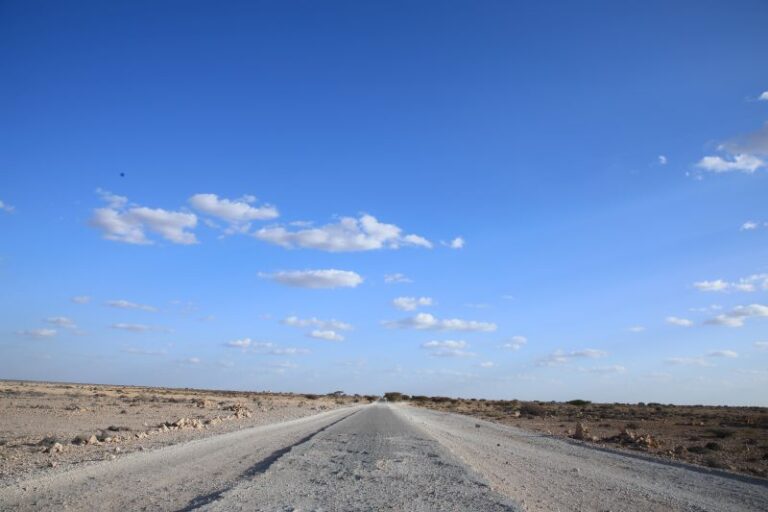
Dhuusomareeb - Qaradhi 60KM
Connecting central Somalia’s administrative and rural areas, this road enhances mobility, access to services, and regional integration, supporting economic and social development in Galmudug.

Luuq – Dolow Road 80KM
A key corridor in the Gedo region, this road improves cross-border connectivity with Ethiopia, reduces transport costs, and strengthens access to markets, services, and humanitarian routes for surrounding communities.

Kalkayo - Xarfo 67KM
Linking urban centers to remote settlements, this corridor reduces isolation, improves access to markets and services, and supports pastoral livelihoods across Puntland and central Somalia.

HoA – SOMALIA-DJIBOUTI-ETHOPIA Corridor (37KM)
A strategic regional corridor comprising the Beledweyn–Kalabeyr (22 km) and Zeila–Asha Addo (15 km) road sections, strengthening cross-border connectivity within the Horn of Africa countries.

Beledhawo - Luuq - Doolow 190km
This strategic regional route links major towns in Gedo, supporting trade, mobility, and economic activity while improving road safety and access for border and inland communities.

Galkayo – Elgula Feeder Road 100KM
A vital feeder road to the Hobyo corridor, this route opens new economic opportunities, strengthens regional connectivity, and supports future coastal and port-related development.